TypeScript Patterns That Scale: Lessons from Large Codebases
The Challenge of Scale
When a TypeScript codebase grows beyond 100K lines, you start feeling the pain of poor type design. Here are patterns that have saved us.
Discriminated Unions for State Management
Instead of optional fields scattered everywhere:
type RequestState<T> =
  | { status: 'idle' }
  | { status: 'loading' }
  | { status: 'success'; data: T }
  | { status: 'error'; error: Error };
This forces exhaustive handling and eliminates impossible states.
Branded Types for Domain Safety
type UserId = string & { readonly __brand: 'UserId' };
type OrderId = string & { readonly __brand: 'OrderId' };

function getUser(id: UserId): Promise<User> { /* ... */ }
You can never accidentally pass an OrderId where a UserId is expected.
The Result Pattern
type Result<T, E = Error> =
  | { ok: true; value: T }
  | { ok: false; error: E };
No more try-catch spaghetti. Errors become values you can compose and transform.
Module Boundaries with Barrel Exports
Each module exposes a clean public API through index.ts, hiding internal implementation details. This creates natural boundaries that prevent spaghetti imports.
Key Takeaways
- Use the type system as documentation
- Make illegal states unrepresentable
- Prefer composition over inheritance (yes, even in types)
- Invest in strict tsconfig settings early
Related Projects
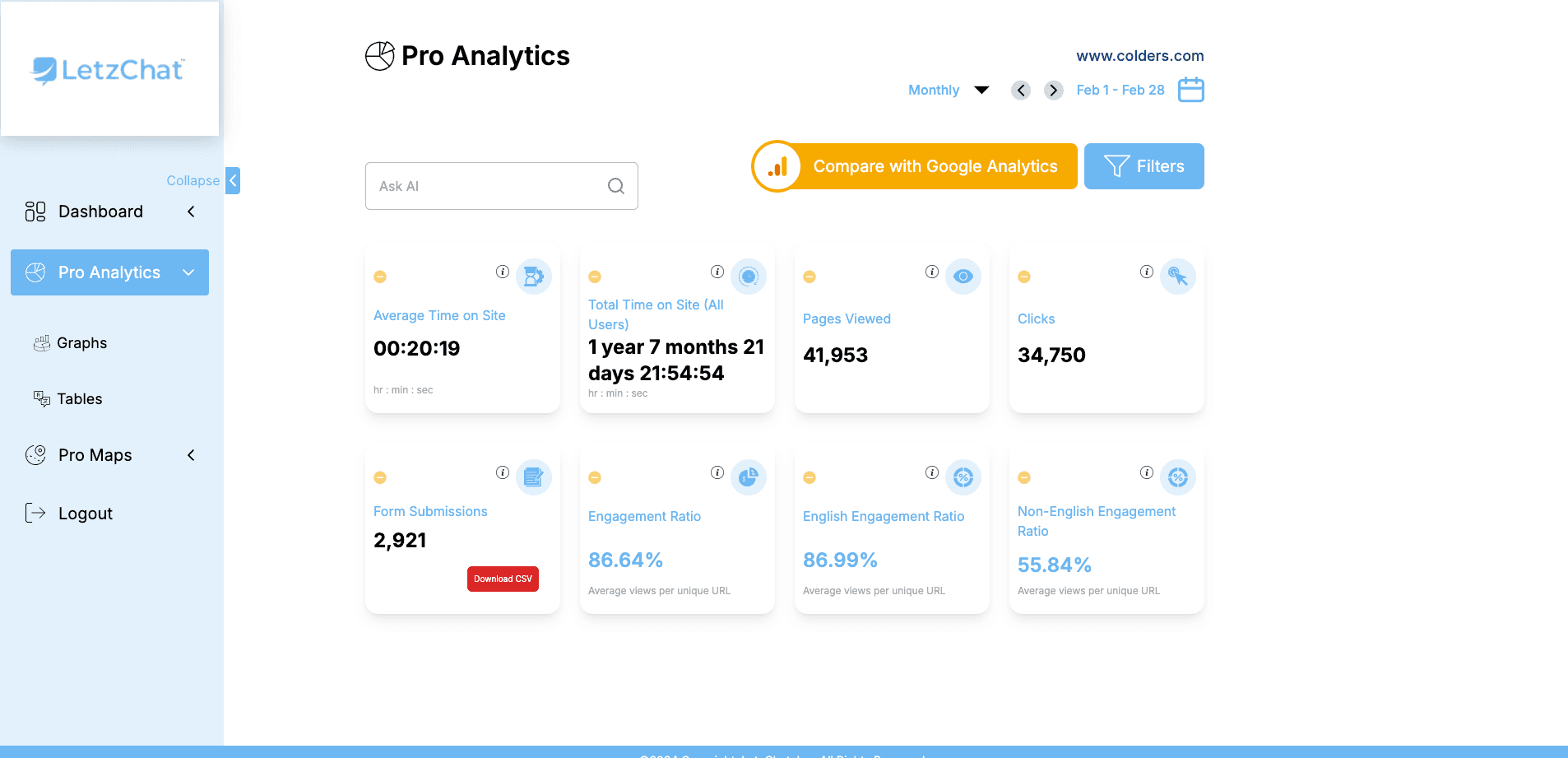
LetzChat – Enterprise Multilingual Translation & Communication Platform
Complete enterprise translation ecosystem — featuring real-time analytics (300M+ events/month), AI-powered chat, voice/video dubbing, live call translation, podcast/Zoom integration, glossary management, subtitle generation, and comprehensive analytics — breaking language barriers across all communication channels.

GenderRecognition.com: AI-Driven Gender Detection Solutions
State-of-the-art AI-powered gender detection platform processing images, videos, text, and voice data in real-time — built with privacy compliance, bias mitigation, and enterprise-level scalability. Includes comprehensive admin panel managing 2,800+ users and 33,000+ API calls.
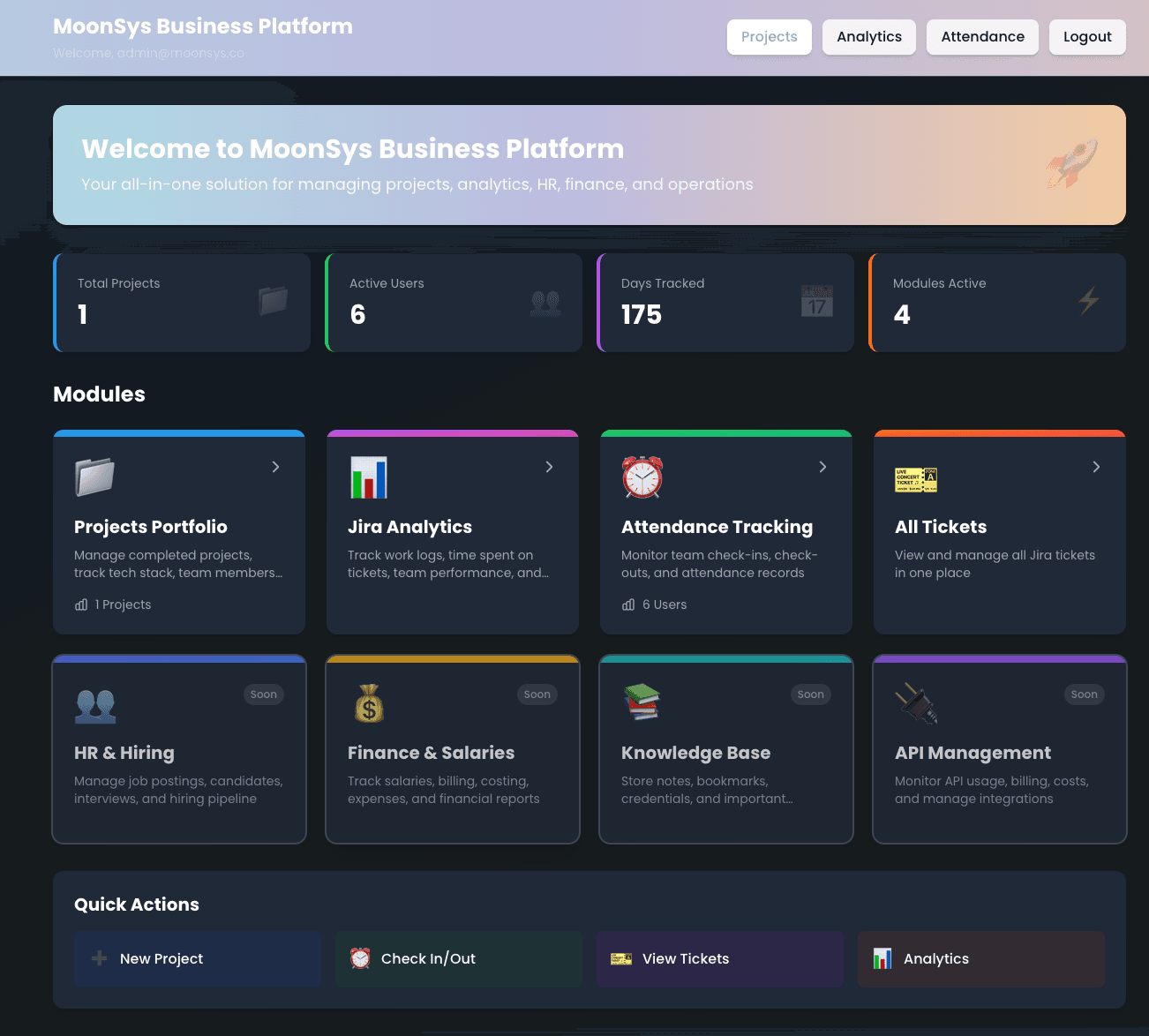
MoonSys Business Platform
All-in-one internal business management system for project tracking, attendance monitoring, Jira analytics, and team performance insights in a unified dashboard.
Related Articles
SPRINTX ERP System: Revolutionizing Business Operations with Scalable Solutions
A case study on building SPRINTX, a scalable MERN-based ERP platform with real-time attendance, employee management, and cloud-ready architecture for modern business operations.
SpeakEasy: Breaking Language Barriers with Real-Time AI Translation
A technical case study on SpeakEasy, a real-time AI voice translation platform built with WebRTC, Node.js microservices, and multi-model translation pipelines.
AI-Powered Translation Platform: Breaking Language Barriers at Scale
How an enterprise AI translation platform was built to deliver high-accuracy multilingual translation across text, images, webpages, and documents with format preservation.