Building Scalable Microservices with Go
Why Go for Microservices?
Go has become the de facto language for building microservices, and for good reason. Its simplicity, excellent concurrency model, and blazing-fast compilation make it ideal for distributed systems.
The Architecture
When designing our microservice architecture, we focused on three core principles:
- Single Responsibility — Each service owns one domain
- Loose Coupling — Services communicate via well-defined APIs
- Independent Deployability — Each service has its own CI/CD pipeline
gRPC for Inter-Service Communication
We chose gRPC over REST for internal communication. The benefits were immediate:
service UserService {
  rpc GetUser(GetUserRequest) returns (User) {}
  rpc ListUsers(ListUsersRequest) returns (ListUsersResponse) {}
  rpc UpdateUser(UpdateUserRequest) returns (User) {}
}
Protocol Buffers gave us type-safe contracts between services, and gRPC's HTTP/2 foundation provided multiplexing and streaming out of the box.
Kubernetes Orchestration
We deployed everything on Kubernetes with Helm charts. Key decisions included:
- Horizontal Pod Autoscaling based on CPU and custom metrics
- Service mesh with Istio for observability and traffic management
- Circuit breakers to prevent cascade failures
Lessons Learned
After running this in production for 18 months serving 50M+ requests/day:
- Start with a monolith — Don't prematurely decompose
- Invest in observability early — Distributed tracing saved us countless hours
- Automate everything — From deployments to database migrations
- Design for failure — Every external call should have timeouts and retries
The journey from monolith to microservices taught us that architecture is about trade-offs, not silver bullets.
Related Projects
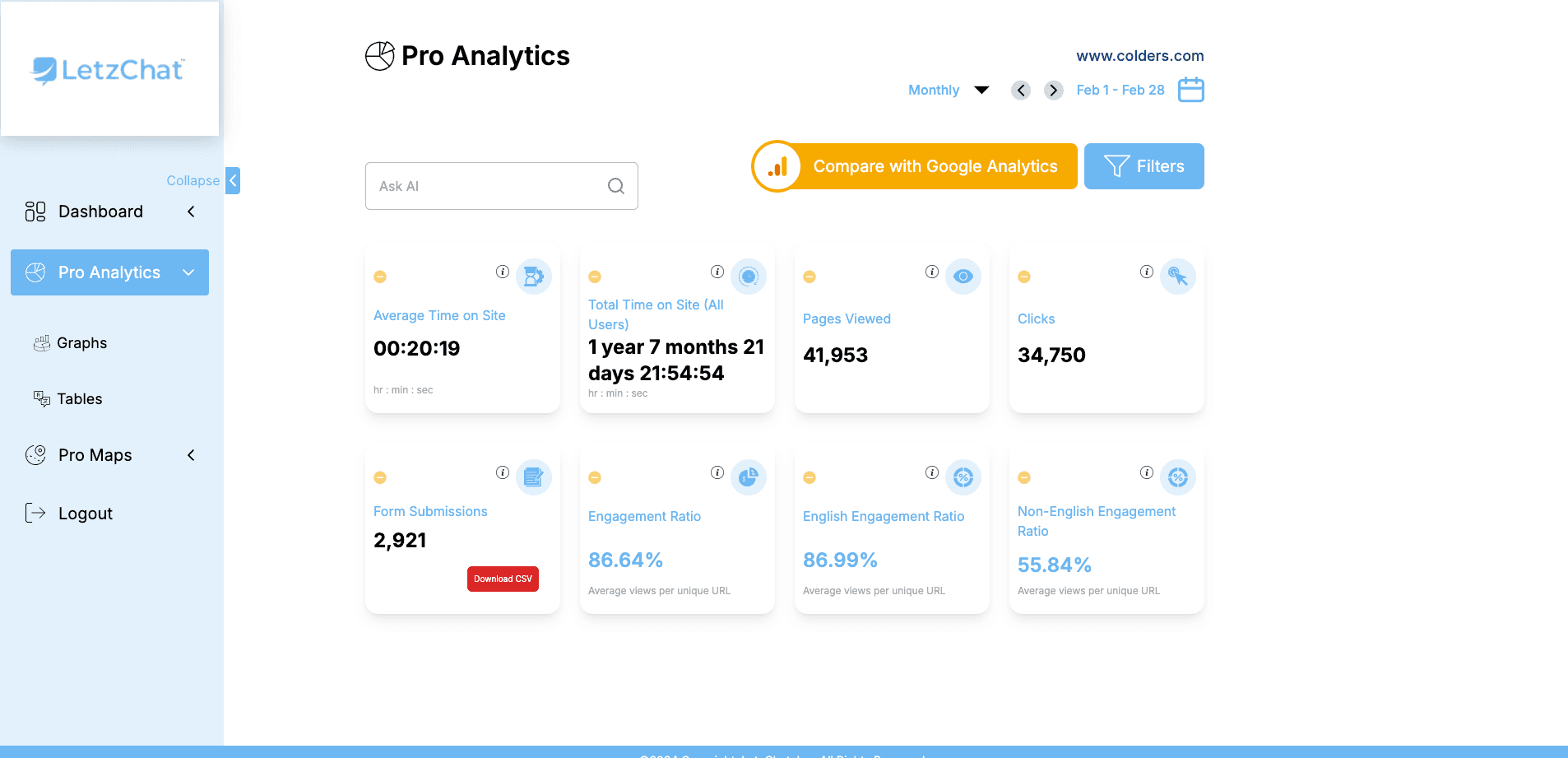
LetzChat – Enterprise Multilingual Translation & Communication Platform
Complete enterprise translation ecosystem — featuring real-time analytics (300M+ events/month), AI-powered chat, voice/video dubbing, live call translation, podcast/Zoom integration, glossary management, subtitle generation, and comprehensive analytics — breaking language barriers across all communication channels.

GenderRecognition.com: AI-Driven Gender Detection Solutions
State-of-the-art AI-powered gender detection platform processing images, videos, text, and voice data in real-time — built with privacy compliance, bias mitigation, and enterprise-level scalability. Includes comprehensive admin panel managing 2,800+ users and 33,000+ API calls.
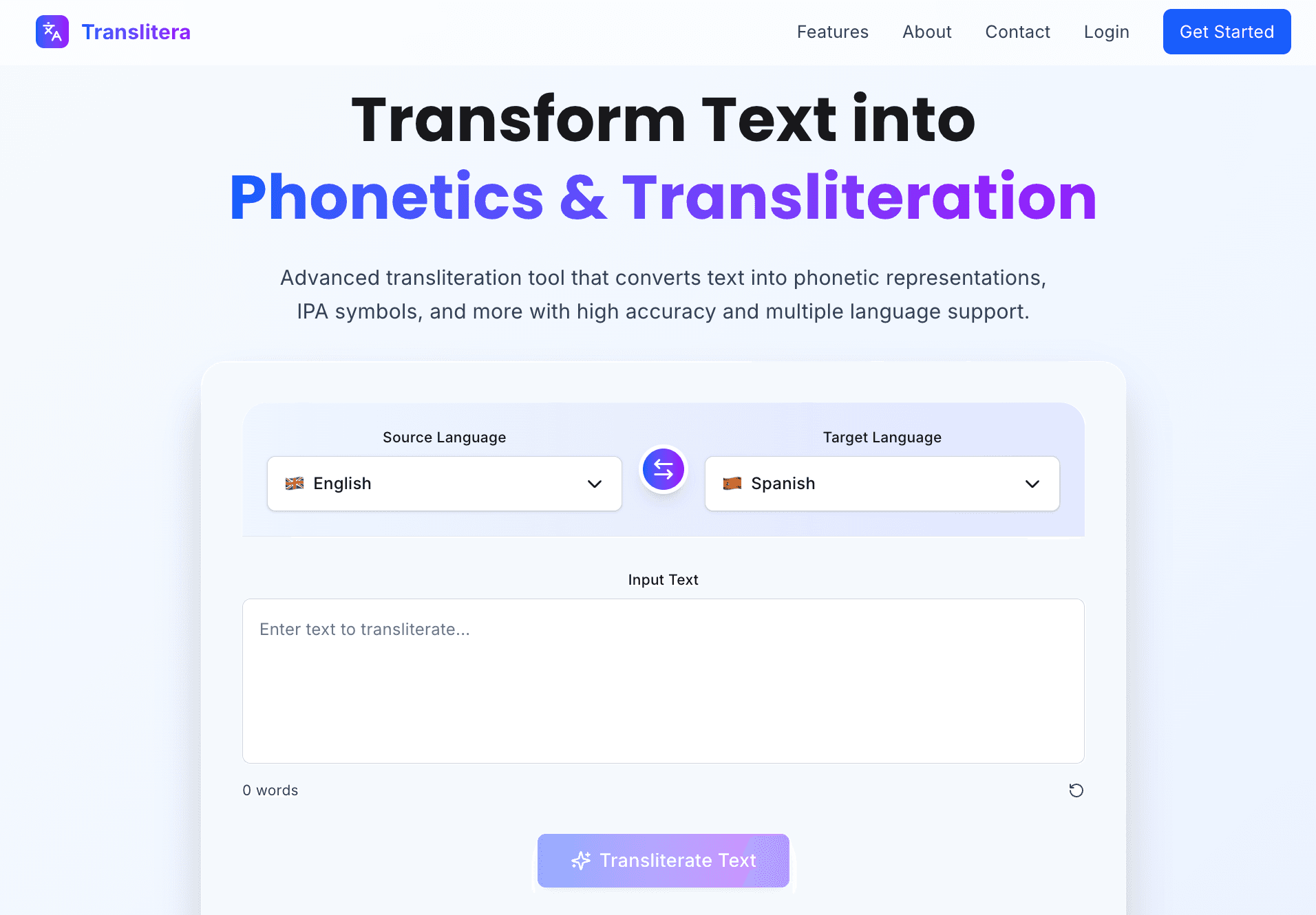
Translitera - Text Transliteration & Phonetics SaaS
SaaS web application for real-time text transliteration and phonetic conversion with dual output (Phonetic + Transliteration), multi-language support, and secure authentication.