MoonSys Business Platform
All-in-one internal business management system for project tracking, attendance monitoring, Jira analytics, and team performance insights in a unified dashboard.
Screenshots
Overview
Project Overview
MoonSys Business Platform is a comprehensive internal business management tool designed for daily operational use by development and business teams. It unifies project visibility, attendance tracking, Jira workflow analytics, and ticket management into a single dark-themed dashboard.
Platform Stats (Live Data)
• Total Projects: 1 • Active Team Members: 6 • Days Tracked: 175 • Active Modules: 4 • Total Jira Tickets: 462+ • Full Days Logged: 156 • Half Days: 4 • Incomplete Attendance Records: 15
Problem Statement
Teams often rely on disconnected tools for attendance, ticket analytics, and project monitoring. This fragmentation causes reporting delays, inconsistent operational visibility, and reduced decision speed.
Solution
Built an all-in-one internal platform with modular architecture and role-ready workflows to centralize operational data and enable faster decision-making.
Upcoming Modules
• HR & Hiring: Job pipeline, candidates, interviews, recruitment workflows.
• Finance & Salaries: Payroll, billing, costing, expenses, financial reporting.
• Knowledge Base: Notes, credentials, bookmarks, internal documentation.
• API Management: API usage, integrations, cost analytics, billing controls.
Tech Stack
• Frontend: React.js / Next.js
• Styling: Tailwind CSS
• Integrations: Jira API
• Authentication: Session-based login
• Timezone Handling: Karachi Time (PKT)
• Deployment: Internal / Cloud-hosted
Key Highlights
• Jira-integrated real-time ticket and performance analytics.
• Smart attendance logic for overnight shifts and missing check-outs.
• Productivity scoring for measurable team output insights.
• High-precision ticket filtering with Include/Exclude status logic.
• Modular architecture designed for HR, Finance, Knowledge Base, and API expansion.
• Dark modern UI with gradient cards and clear status systems.
Key Highlights
- Unified platform for attendance, Jira analytics, project stats, and ticket operations
- Live operational metrics with 462+ ticket visibility and team performance tracking
- Karachi-time attendance engine with overnight shift and incomplete-session handling
- Advanced Jira ticket filtering with include/exclude status logic and multi-criteria search
- Productivity scoring model based on tickets per 10 hours
- Modular architecture built for upcoming HR, Finance, Knowledge Base, and API modules
Tech Stack
Related Projects

GenderRecognition.com: AI-Driven Gender Detection Solutions
State-of-the-art AI-powered gender detection platform processing images, videos, text, and voice data in real-time — built with privacy compliance, bias mitigation, and enterprise-level scalability. Includes comprehensive admin panel managing 2,800+ users and 33,000+ API calls.
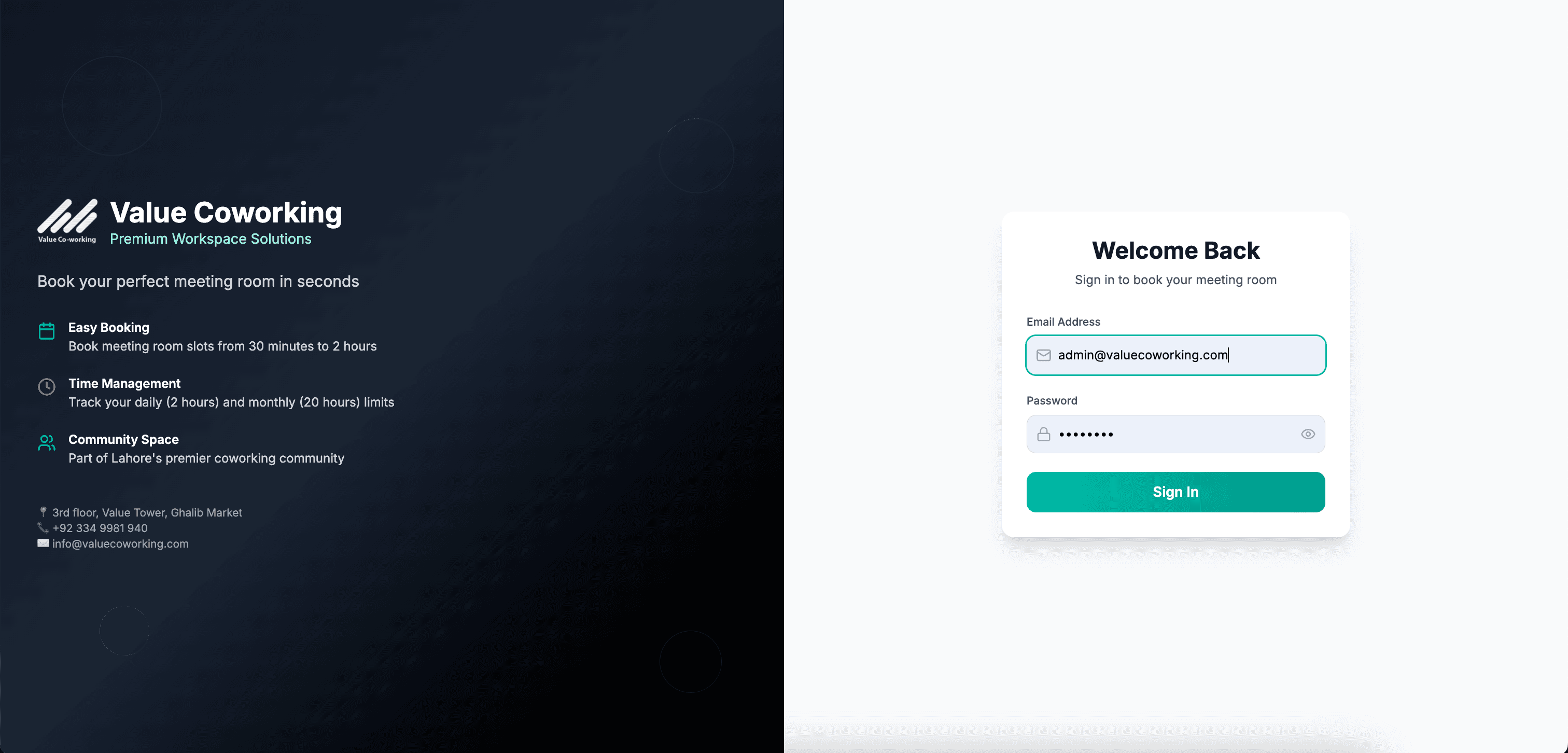
Value Coworking - Meeting Room Booking System
Production meeting room booking platform for Value Coworking (Lahore) with dual-role dashboards, slot-based reservations, usage quota enforcement, and admin analytics.
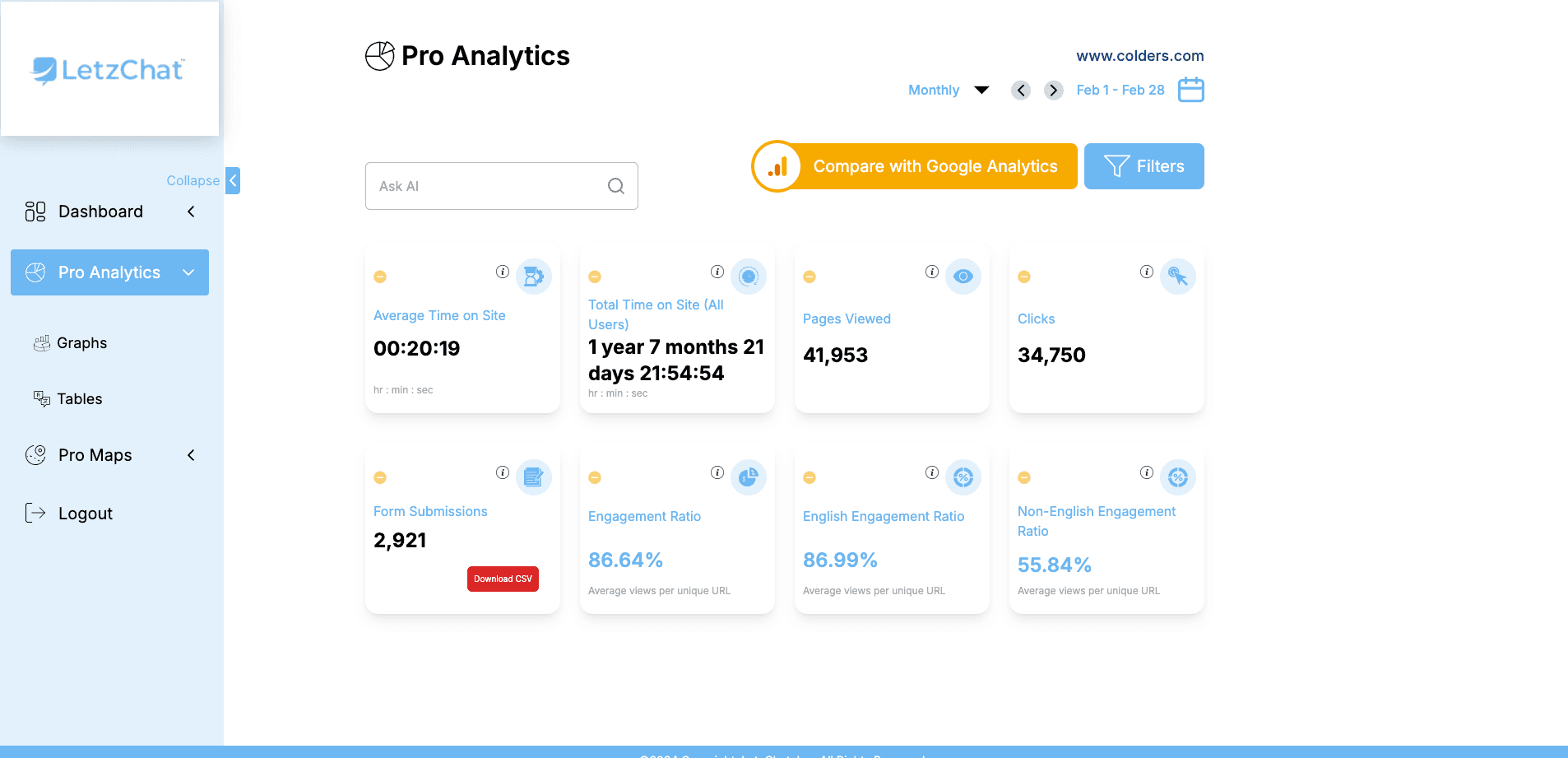
LetzChat – Enterprise Multilingual Translation & Communication Platform
Complete enterprise translation ecosystem — featuring real-time analytics (300M+ events/month), AI-powered chat, voice/video dubbing, live call translation, podcast/Zoom integration, glossary management, subtitle generation, and comprehensive analytics — breaking language barriers across all communication channels.
Related Blog Posts
GenderRecognition.com: AI-Driven Gender Detection for Smarter Insights
Building a state-of-the-art AI platform that provides accurate, scalable, and privacy-compliant gender recognition solutions across multiple industries using deep learning, computer vision, and multi-modal AI.
React Server Components in Production: What We Learned
After migrating a large React app to Server Components, here are the real-world trade-offs, performance wins, and pitfalls we encountered.
Top Technologies I Use and Why
A practical look at the core technologies I use most often and how each one contributes to building scalable, production-grade systems.