Cambridge Papers: Streamlining Access to Educational Resources
Introduction
Access to quality study material should be simple, especially for students preparing for high-stakes examinations. In practice, many learners still spend too much time searching for the right resources instead of studying.
To solve this, I led and developed Cambridge Papers, a centralized platform designed to make past Cambridge examination papers easy to find, browse, and download.
The goal was clear: reduce friction in academic preparation by providing reliable, organized, and accessible educational content.
Project Overview
Cambridge Papers was built to address a recurring student pain point: fragmented access to past papers across unreliable sources.
The platform was designed as a structured repository where students can quickly locate papers by:
- Subject
- Year
- Examination board
By centralizing and organizing these resources, the system improves both accessibility and preparation efficiency.
The Problem
Students preparing for Cambridge exams commonly face:
- Scattered resources across multiple websites
- Inconsistent file quality and incomplete paper sets
- Time lost searching instead of practicing
- Limited trust in unofficial or unreliable sources
This fragmented environment created a clear need for a dependable and user-focused platform.
The Solution
I developed a PHP-based web application that aggregates and serves past papers through a clean and searchable interface.
The solution focused on:
- Reliable content organization
- Fast paper discovery
- Simple user interaction
- Scalable hosting for broad usage
Key Features
1. Centralized Repository
A structured MySQL database stores and organizes papers by subject, year, and board, enabling accurate and fast retrieval.
2. User-Friendly Interface
The frontend, built with HTML and CSS, was designed for clarity and ease of use so students can navigate quickly without unnecessary complexity.
3. Advanced Search Functionality
Filtering by subject, year, and board allows students to narrow results in seconds and access exactly what they need.
4. Dynamic File Management
Resources are arranged in a well-defined directory structure. Dynamic backend loops automatically render available files in the UI, enabling one-click viewing or downloading.
5. Cloud-Hosted Reliability
Deployment on AWS infrastructure supports consistent availability and scalability during high traffic periods.
Development Process
The project followed a practical build sequence focused on reliability and usability:
- Content aggregation across subjects and exam years
- Database modeling for efficient retrieval patterns
- Backend implementation in PHP for dynamic paper delivery
- Frontend development for responsive navigation and search
- Testing and AWS deployment for production readiness
Technology Stack
- Backend: PHP
- Database: MySQL
- Frontend: HTML, CSS
- Interactive Enhancements: JavaScript, Node.js, React (for selected interface behavior)
- Cloud Infrastructure: AWS EC2, AWS Lambda, Amazon DynamoDB
Impact
The platform created measurable value for students:
Improved Accessibility
Students can access a large set of past papers from one location, regardless of region.
Better Study Efficiency
Search and filtering features reduce time spent finding resources and increase time spent on exam practice.
Broader Reach
The system has supported users across multiple countries, validating the global need for centralized educational tools.
Role and Contributions
As Team Lead and Developer, I:
- Defined platform architecture and product scope
- Led data structure and content organization strategy
- Implemented backend and key frontend workflows
- Oversaw testing, optimization, and deployment
Lessons Learned
This project reinforced key principles for education-focused platforms:
- Information architecture directly impacts learning efficiency
- Simple interfaces can outperform feature-heavy designs
- Data consistency and content reliability build user trust
- Scalability matters even for seemingly narrow academic products
Future Enhancements
Planned roadmap items include:
- Expanded paper coverage and metadata depth
- Improved analytics for content usage patterns
- Additional filtering and recommendation logic
- Better integration with student-focused learning workflows
Conclusion
Cambridge Papers demonstrates how focused software design can solve a high-impact educational problem.
By centralizing access to past papers and simplifying discovery, the platform helps students spend less time searching and more time preparing effectively.
Related Projects

Cambridge Papers
The Cambridge Papers project aimed to provide students with a centralized, user-friendly platform to access past Cambridge examination papers through a well-organized digital repository.
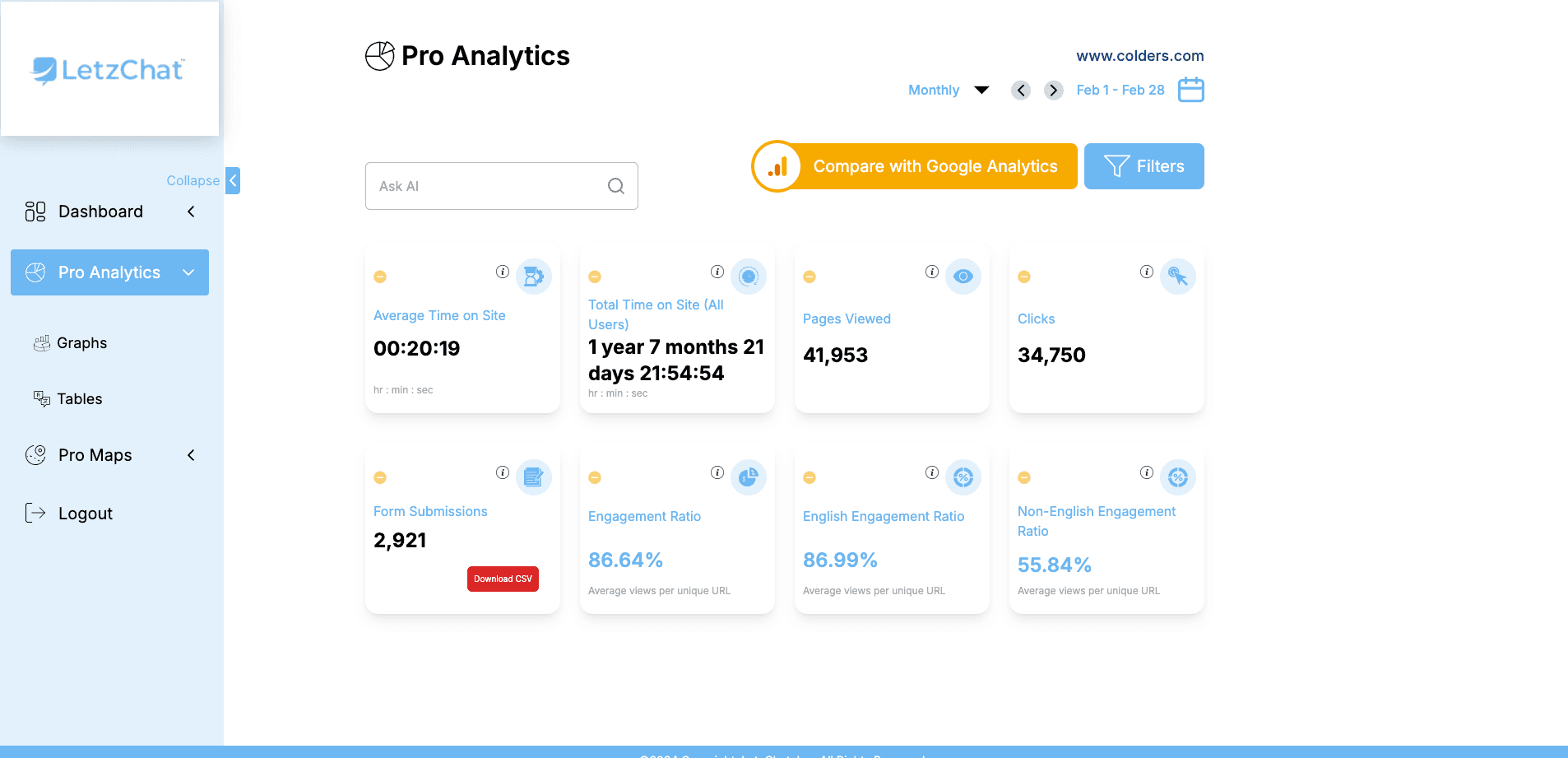
LetzChat – Enterprise Multilingual Translation & Communication Platform
Complete enterprise translation ecosystem — featuring real-time analytics (300M+ events/month), AI-powered chat, voice/video dubbing, live call translation, podcast/Zoom integration, glossary management, subtitle generation, and comprehensive analytics — breaking language barriers across all communication channels.
GenderRecognition.com: AI-Driven Gender Detection Solutions
State-of-the-art AI-powered gender detection platform processing images, videos, text, and voice data in real-time — built with privacy compliance, bias mitigation, and enterprise-level scalability. Includes comprehensive admin panel managing 2,800+ users and 33,000+ API calls.
Related Articles
Revolutionizing Animal Welfare Management with a Custom MERN Stack Solution
A case study on the Animal Management System (AMS), a MERN and AWS-based platform that improved care scheduling, adoption workflows, and operational efficiency for animal welfare organizations.
CASA App: A Revolution in Multilingual Social Networking
A case study on CASA App, a real-time multilingual social platform built with Node.js, Socket.io, React, and AWS to enable seamless cross-language communication.
Political Pixel: Transforming Political Campaign Transparency through Data Insights
A case study on Political Pixel, a MERN and AWS-powered platform that aggregates and analyzes digital political ads to improve transparency, accountability, and public understanding.