Unite: Breaking Language Barriers Through Real-Time Translation
Introduction
Real-time communication across languages remains one of the biggest challenges in global collaboration. Meetings, webinars, and conferences often lose momentum when participants cannot speak or listen in their preferred language.
To solve this, I developed Unite, a real-time translation platform that allows speakers to present in their native language while audiences receive content in theirs, instantly.
The objective was to deliver multilingual communication without delay, without breaking interaction flow, and without reducing discussion quality.
Project Overview
Unite was designed as a live communication layer for multilingual events. It supports presenters, attendees, and moderators in a shared session where translation happens in real time.
The platform enables:
- Live speech translation during presentations
- Native-language participation in Q&A sessions
- Moderator-level quality and flow control
- Scalable support for multiple global languages
The Challenge
Traditional translation approaches in live events create friction:
- Delayed translation reduces conversational flow
- Limited interactivity lowers audience engagement
- Manual coordination increases operational overhead
- Language constraints block inclusive participation
The core challenge was to preserve real-time interaction quality while introducing multilingual capability at scale.
The Solution
I architected Unite as a hybrid real-time system combining streaming infrastructure, translation intelligence, and operator controls.
The system processes incoming speech, converts it to text, translates it by target language, and streams it to participants with minimal latency.
Key Features
1. Real-Time Translation Engine
Built a low-latency translation pipeline that processes speech continuously and distributes translated output across language channels in near real time.
2. Interactive Q&A Module
Implemented a multilingual Q&A workflow where participants ask and receive responses in their preferred language, improving engagement quality and inclusion.
3. Advanced Moderator Controls
Created moderation tools for:
- Session flow management
- Participant oversight
- Translation quality supervision
- Real-time language routing adjustments
4. Extensive Language Support
Designed a scalable language processing layer capable of supporting diverse global language combinations and expansion to additional language sets.
Technical Implementation
Frontend
Built a responsive interface using React.js for real-time session updates, live transcript rendering, and intuitive user flows across devices.
Backend
Used Node.js for event-driven real-time processing and Django/Python for structured backend services and translation orchestration.
Cloud Infrastructure
Deployed on AWS with:
- AWS Lambda for serverless event execution
- Amazon EC2 for compute-heavy service workloads
- DynamoDB for low-latency metadata and session state handling
AI Integration
Integrated ChatGPT and Whisper AI to improve language understanding, transcription quality, and contextual translation behavior.
Real-Time Communication
Implemented WebSocket-based streaming to keep session state, translated text, and Q&A updates synchronized across participants.
Real-Time Translation Flow
const translateStream = async (audioStream, targetLanguage) => {
  const recognizedText = await speechRecognition.process(audioStream);
  const translatedContent = await translator.translate(
    recognizedText,
    targetLanguage
  );
  return translatedContent;
};
This flow illustrates the core pattern behind live speech-to-translation delivery.
Impact and Results
Unite delivered clear operational and collaboration improvements:
- Improved multilingual participation in global meetings
- Reduced communication delays in live sessions
- Increased event accessibility for non-native speakers
- Expanded ability for organizations to engage international audiences
Technology Stack
- Frontend: React, HTML5, CSS3, JavaScript
- Backend: Node.js, Django, Python
- Cloud: AWS Lambda, Amazon EC2, Amazon DynamoDB
- AI/ML: ChatGPT, Whisper AI
- Realtime Layer: WebSocket
Lessons Learned
This project deepened expertise in:
- Real-time data streaming and synchronization
- Production-grade AI integration
- Scalable cloud architecture for live applications
- UX design for multilingual and cross-cultural contexts
Future Enhancements
Planned roadmap items include:
- Blockchain-based translation verification
- Enhanced context-aware translation intelligence
- Expanded support for regional dialects
- Integration with additional video conferencing platforms
Conclusion
Unite demonstrates how real-time translation infrastructure can remove language barriers without sacrificing interaction quality.
By combining streaming architecture, AI-powered language processing, and scalable cloud systems, the platform enables more inclusive and effective communication across global teams and audiences.
Related Projects
LetzChat – Enterprise Multilingual Translation & Communication Platform
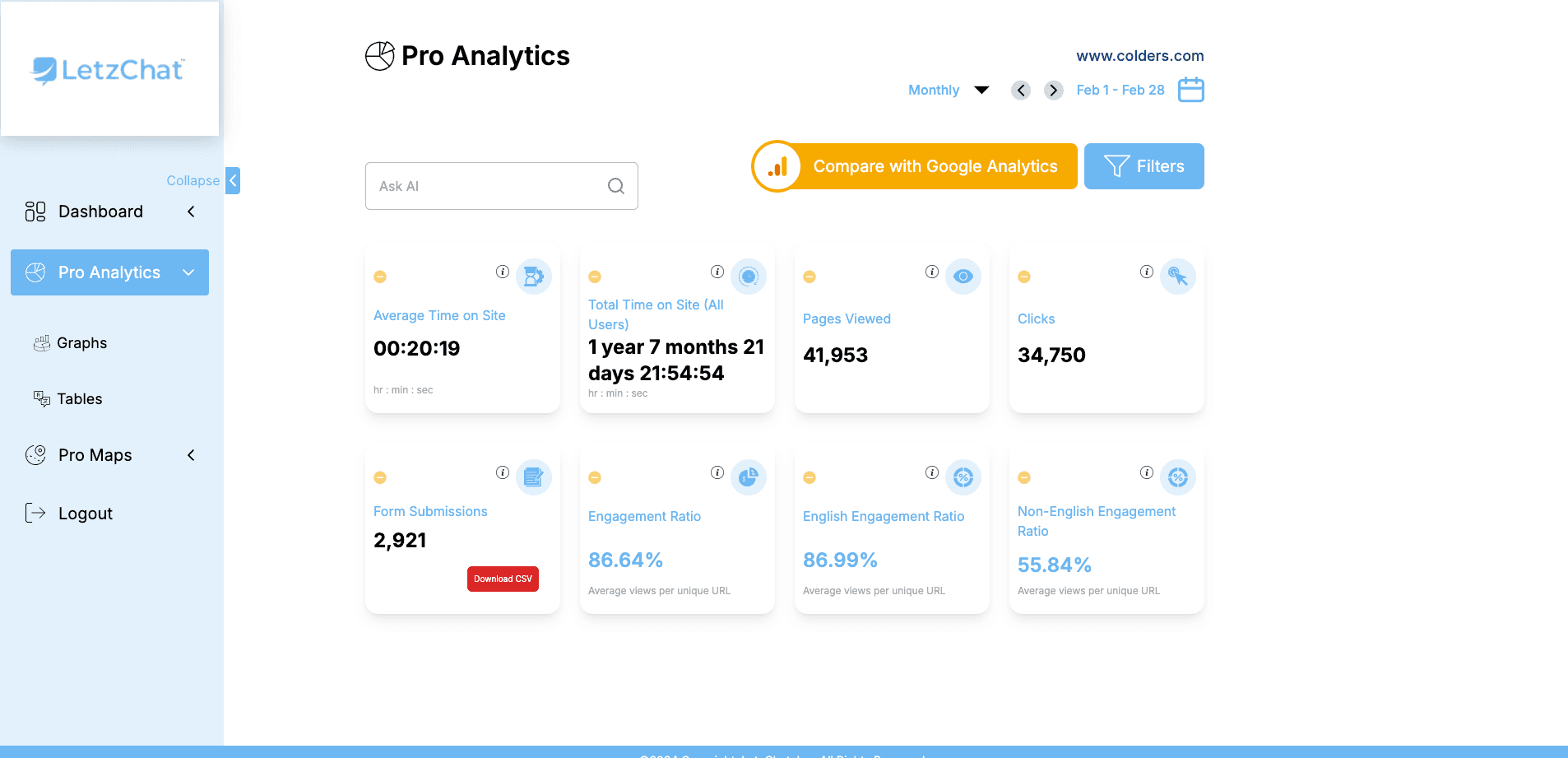
Complete enterprise translation ecosystem — featuring real-time analytics (300M+ events/month), AI-powered chat, voice/video dubbing, live call translation, podcast/Zoom integration, glossary management, subtitle generation, and comprehensive analytics — breaking language barriers across all communication channels.
GenderRecognition.com: AI-Driven Gender Detection Solutions
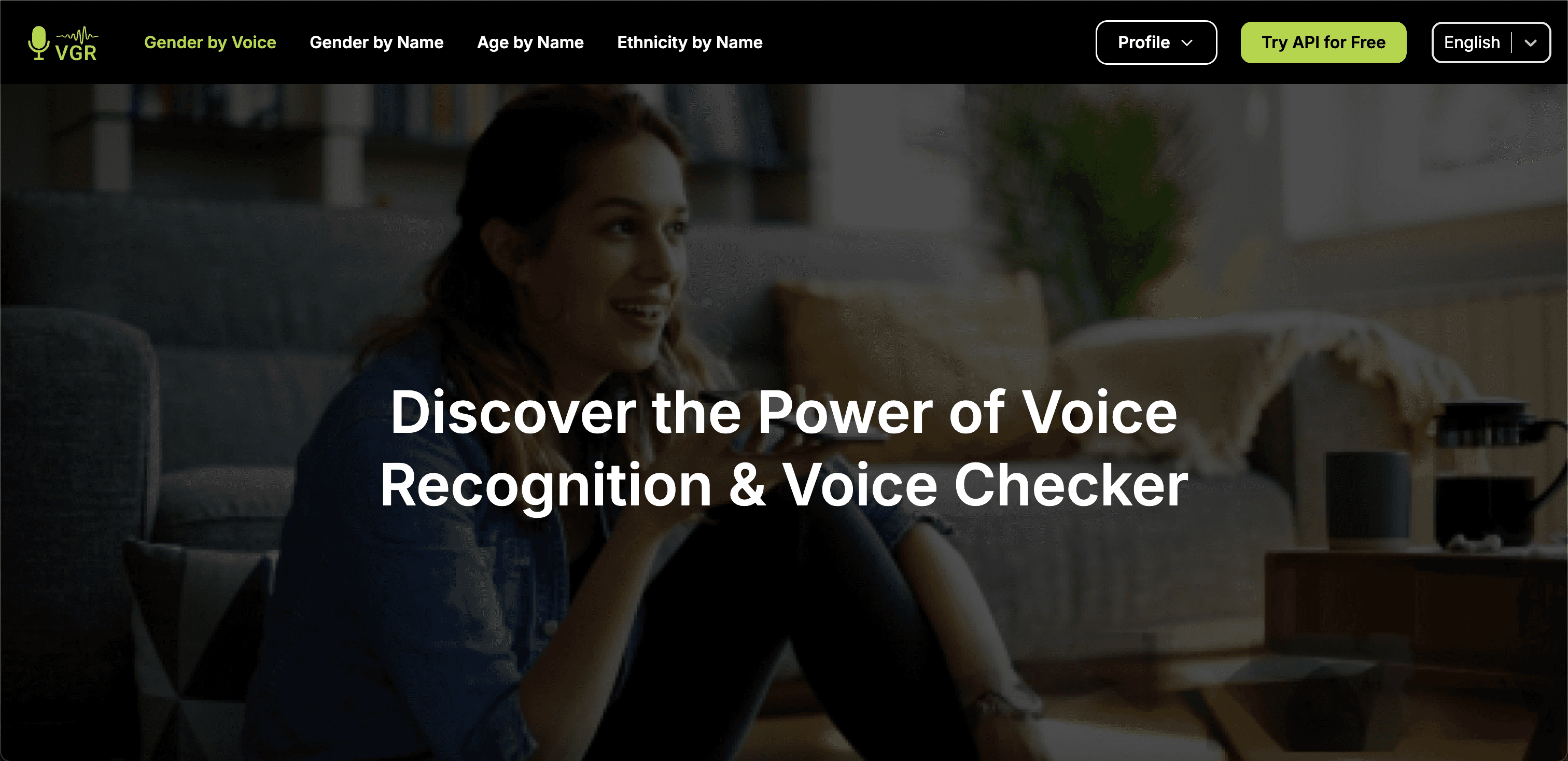
State-of-the-art AI-powered gender detection platform processing images, videos, text, and voice data in real-time — built with privacy compliance, bias mitigation, and enterprise-level scalability. Includes comprehensive admin panel managing 2,800+ users and 33,000+ API calls.

Comprehensive Animal Management System (AMS)
The Animal Management System (AMS) is a unified web platform built to streamline animal care operations through profile management, scheduling, adoption workflows, and facility analytics.
Related Articles
CASA App: A Revolution in Multilingual Social Networking
A case study on CASA App, a real-time multilingual social platform built with Node.js, Socket.io, React, and AWS to enable seamless cross-language communication.
Breaking Language Barriers: Revolutionizing Global Communication in Virtual Meetings
How the Zoom Meeting Live Translation Captions System uses Whisper AI, AWS, and real-time translation pipelines to enable multilingual participation in virtual meetings.
Revolutionizing Animal Welfare Management with a Custom MERN Stack Solution
A case study on the Animal Management System (AMS), a MERN and AWS-based platform that improved care scheduling, adoption workflows, and operational efficiency for animal welfare organizations.